
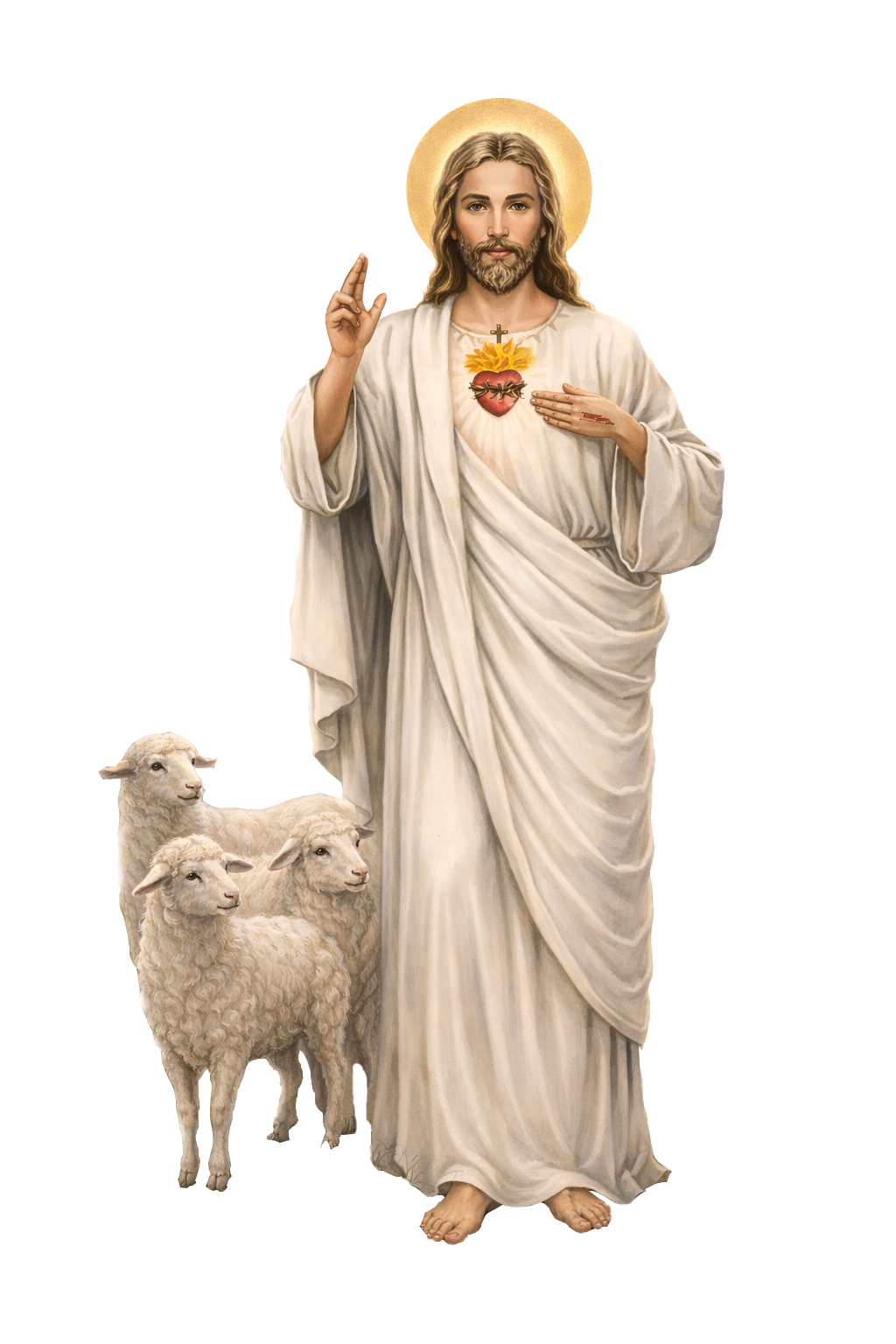
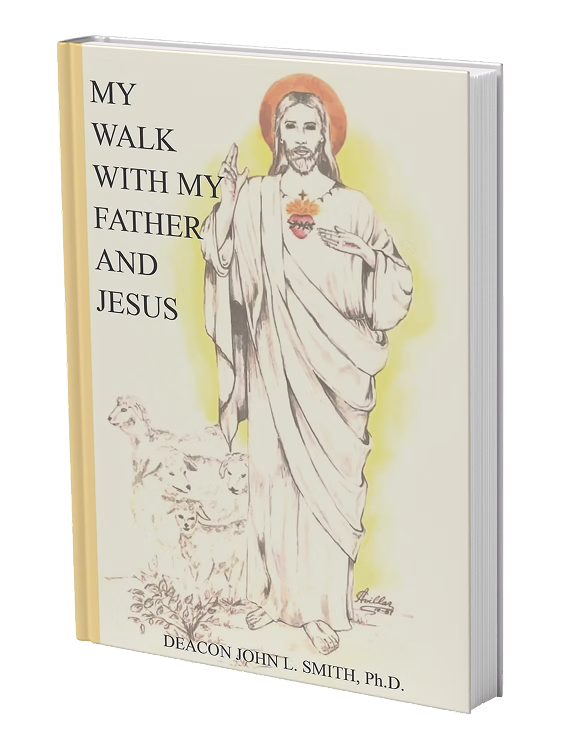
The theme of this book is about praying to enable a personal encounter with Jesus and seeing him face to face: also, who humans are, where humans came from, how we discovered God and became conscious beings. Developed language. The evolution of thinking, and why we are separated from God. How we become slaves to sin, and stray from the instinctual path to God.
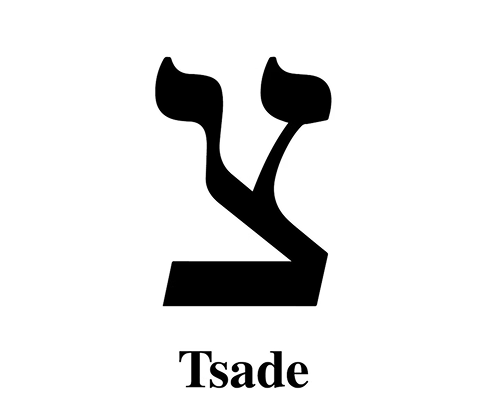
Tsade (צ): Eighteenth Hebrew letter, pronounced [ts], rooted in ancient pictographs (fishhook/papyrus). Symbolizes integrity (“tzadik”) and humility. Appears in standard and final forms, represents 90 in gematria, and is unique in Hebrew phonology.
Read More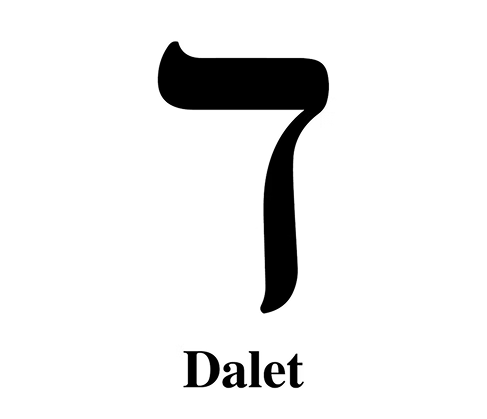
The Proto-Sinaitic Dalet (ד) is an ancient letter that originated in the earliest known alphabetic script, used in the Sinai Peninsula around the 19th century BCE. Its shape was likely inspired by a door or a tent flap, reflecting the meaning of “door” in Semitic languages. Over time, the Dalet evolved into the recognizable form found in later Phoenician and Hebrew scripts, but its original pictographic representation emphasized its functional and symbolic connection to entryways and passage.
Read More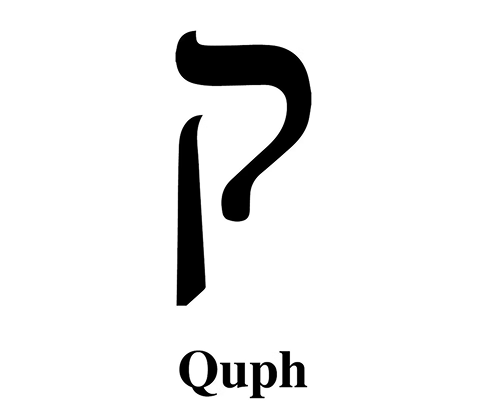
The Proto-Sinaitic character for Qof (ק) was originally depicted as a pictograph resembling a needle, a hole, or sometimes the back of a head with a neck. This ancient symbol evolved over time and was used to represent the sound “Q” in early Semitic scripts. Its distinctive shape laid the foundation for later forms of the letter Qof in Phoenician and Hebrew alphabets.
Read More